
You love your cat. You’d never intentionally upset them.
But what if some everyday reactions — things that feel completely normal to us — actually feel like punishment to your cat?
Cats don’t think like humans. They don’t connect “discipline” with behaviour the way dogs or people might. In fact, many common correction methods can increase stress, damage trust, and even make unwanted behaviour worse.
Let’s look at what might be happening and what to do instead.

1. Yelling When They Scratch Furniture
It’s frustrating. You’ve bought the sofa, not them.
But when you shout, your cat doesn’t think:
“Oh, I shouldn’t scratch the sofa.”
They think:
“Sudden loud noise. Human unpredictable. Not safe.”
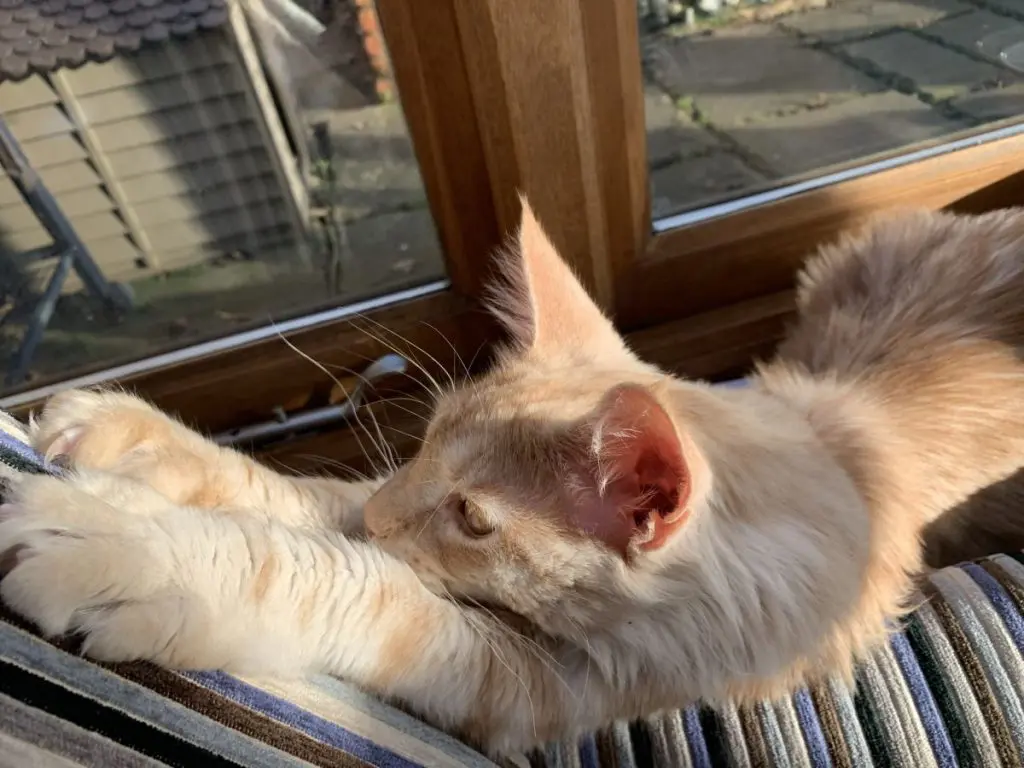
Scratching is a biological need. It stretches muscles, removes old claw sheaths, and marks territory.

What To Do Instead:
- Place a scratching post next to the damaged area.
- Choose tall, sturdy posts (cats need full stretch).
- Reward when they use it.
- Use sofa guards temporarily if needed.
Redirect — don’t punish.
2. Spraying With Water
Spray bottles are popular online. They seem harmless.
But cats don’t associate the spray with the behaviour long-term. They associate it with you.
This can create:
- Fear-based avoidance
- Sneaky behaviour (they’ll still do it — just when you’re not there)
- Anxiety-related issues
What To Do Instead:
- Identify the root cause (boredom? stress? lack of enrichment?)
- Block access if necessary
- Increase play sessions
Behaviour improves when needs are met.
3. Punishing After the Fact
You come home to a knocked-over plant or litter box accident.
You point.
You scold.
You feel justified.
But here’s the key:
Cats cannot connect punishment to something that happened earlier.
They only understand what’s happening in the moment.
So your cat learns:
“My human is suddenly scary for no reason.”
What To Do Instead:
- Clean accidents thoroughly (enzyme cleaners).
- Assess:
- Litter box cleanliness
- Stress triggers
- Health issues
- Increase routine and predictability.


4. Ignoring Subtle Stress Signals
This one surprises most owners.
You might think your cat is being “dramatic” or “naughty.”
But behaviours like:
- Hiding
- Overgrooming
- Sudden aggression
- Avoiding you
- Knocking things over
Can be signs of stress — not defiance.
When stress signals are ignored, cats may escalate behaviour to get relief.
What To Do Instead:
- Provide vertical space (cat trees, shelves).
- Create quiet retreat areas.
- Maintain consistent feeding/play times.
- Ensure enough enrichment.
5. Physical Handling They Don’t Enjoy
Picking up, restraining, belly touching — even if you mean well.
If your cat squirms or stiffens and you continue, they may start associating you with discomfort.
Over time, this reduces trust.
What To Do Instead:
- Watch body language.
- Let them initiate contact.
- Keep interactions short and positive.
- Reward calm behaviour.
Trust grows when choice is respected.
Why Punishment Backfires With Cats
Cats are not dominance-driven animals.
They are:
- Territory-focused
- Routine-dependent
- Sensitive to stress
- Motivated by safety and resources
Punishment increases uncertainty — and uncertainty increases stress.
Stress leads to:
- Behaviour problems
- Health issues
- Reduced bond
The Better Approach: Redirect + Reinforce
Instead of asking:
“How do I stop this?”
Ask:
“What need is my cat trying to meet?”
Common needs behind “bad” behaviour:
| Behaviour | Likely Need |
|---|---|
| Scratching furniture | Claw maintenance + territory |
| Night zoomies | Pent-up energy |
| Knocking objects | Boredom / curiosity |
| Litter box issues | Stress or medical |
| Biting during play | Overstimulation |
When you solve the need, the behaviour often fades naturally.


The Golden Rule of Cat Behaviour
If your cat feels:
- Safe
- Stimulated
- In control
- Secure in their territory
Most unwanted behaviours reduce dramatically.
Quick Action Plan
If you suspect accidental punishment is happening:
- Stop yelling or spraying immediately.
- Add one enrichment upgrade this week.
- Schedule two structured play sessions daily.
- Observe body language more closely.
- Focus on rewarding behaviour you want to see.
Positive reinforcement builds confidence.
Confidence builds calm behaviour.
Final Thoughts
You’re not a bad cat owner.
Most accidental punishment comes from misunderstanding — not cruelty.
The moment you shift from correcting behaviour to understanding needs, everything changes.
Your cat doesn’t need discipline.
They need guidance, security, and consistency.
And when they feel safe?
You’ll see the affectionate, relaxed cat you always hoped for.